
Patrol
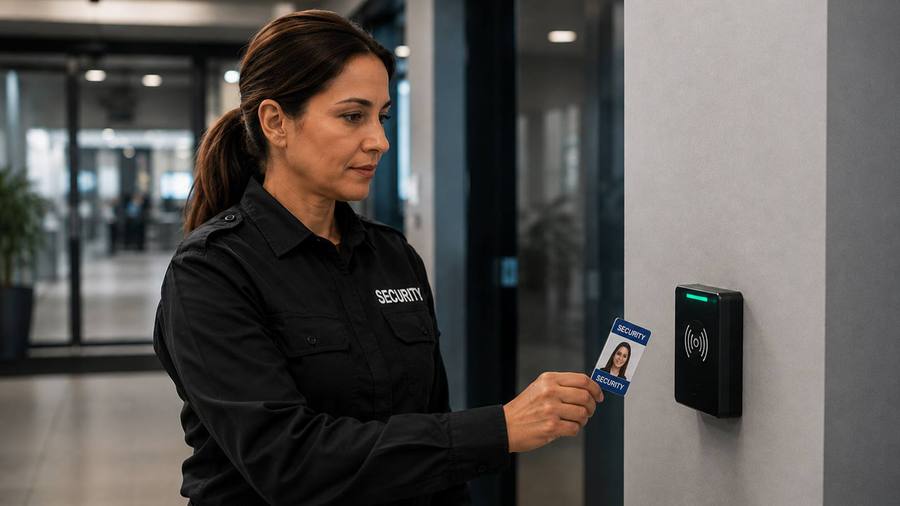
Overview
Patrol turns a security round into a record. Officers scan NFC checkpoints with their phones as they walk, and each scan logs who scanned it, the exact time, and anything they attached. A round that was walked looks different from a round that was signed for, and that difference is the whole point of the module.
The output matters to two audiences. The security manager uses it to see on-time performance and missed scans while the shift is still running. The client being protected uses it as evidence that the service they are paying for was delivered.
Checkpoints
Checkpoints are NFC tags placed at the points a round has to cover. Placing them well is most of the work: a checkpoint should sit somewhere an officer has to genuinely go, not somewhere convenient to the route.
Daily Patrol
Daily Patrol is the live view of the current period. Scans appear as they happen and missed checkpoints surface while there is still time to do something about them, rather than in a report the following morning.
Weekly Patrol
Weekly Patrol sets and shows the pattern across the week, per site. Most contracts are specified weekly, so this is usually the level at which the schedule is agreed with the client.
Yearly Patrol
Yearly Patrol handles long-range scheduling: contracted coverage across the year, including the periods where the pattern changes for holidays or seasonal closures.
Patrol Report
The report shows what was scanned, what was late and what was missed, with notes and images attached. It is built to be sent to a client as it stands rather than reformatted first.
Notes & Images
Officers attach notes and photographs to a scan: damage found, a door left open, something that needs maintenance. Captured at the checkpoint and timestamped, it carries far more weight than the same observation written up at the end of a shift.
Frequently asked
How do I set up a patrol round?
Place NFC checkpoints at the points that need to be reached, then define the round as the sequence of those points.
Put a checkpoint where a person has to physically go. A point by the door proves somebody opened the door.
What happens if a checkpoint is missed?
It surfaces immediately rather than at the end of the round, which is what makes it actionable.
Can I prove to a client that the site was covered?
The Patrol Report gives on time against late scans with the evidence attached. That is the document a client dispute turns on.
Do patrol notes reach anyone automatically?
They sit against the round and can drive an alert, so an urgent note does not wait for someone to open the report.
Is patrol time counted as attendance?
Patrol scans record coverage. Attendance records the shift. They sit alongside each other, so an officer's hours and their rounds are both accounted for.